Stress
What is Stress?
Stress is a natural part of everyday life. Whether it’s caused by traffic, tight deadlines, health concerns, or relationship difficulties, stressors are everywhere. Even positive life changes—like getting married, receiving a job promotion, or having a baby—can lead to increased tension. While some individuals manage life’s demands with ease, others feel overwhelmed by even minor stressors. When day-to-day pressure becomes persistent or starts to interfere with your wellbeing, it may be a sign of chronic stress that needs professional attention.
Who Is Affected by Stress?
Stress is impacting Americans more than ever. According to a 2019 Gallup Poll, the U.S. reported record highs in daily stress, worry, and anger. Key findings revealed:
- 55% of adults experienced high stress the day before
- 45% reported feeling excessive worry
- 22% said they felt anger
Stress does not discriminate—it affects children, teens, adults, and seniors alike.
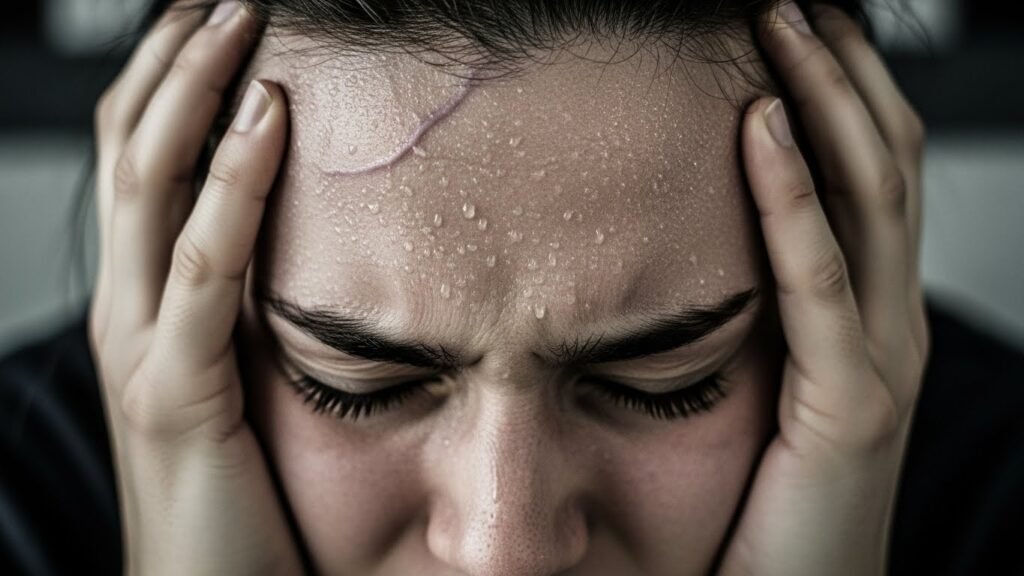

Data from the American Institute of Stress shows:
- 77% of people report physical symptoms due to stress
- 73% experience psychological effects
- 33% feel they are under extreme stress
- 48% say their stress has increased in the past five years
Common Symptoms of Stress
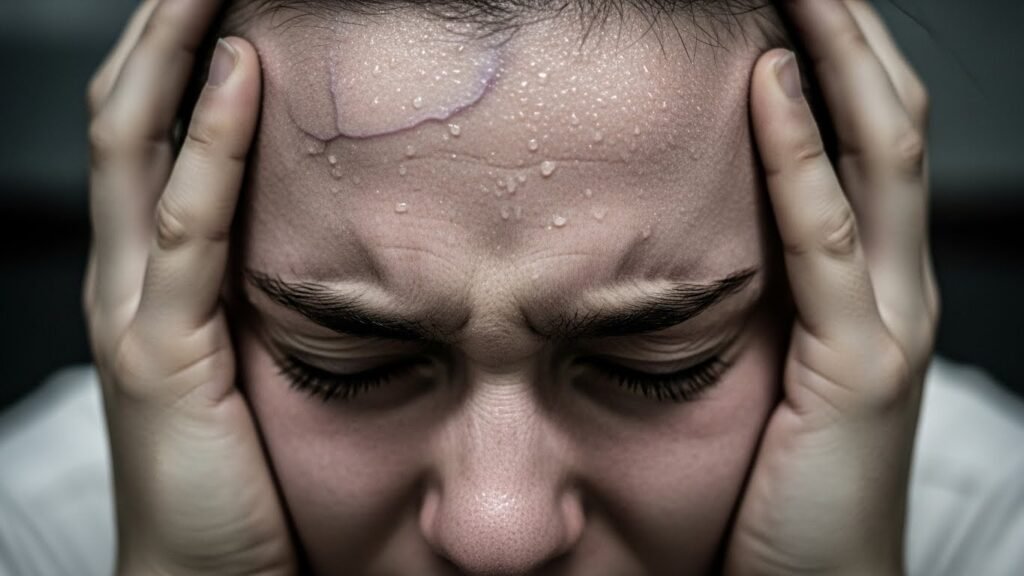
Stress can show up in multiple ways—physical, emotional, cognitive, and behavioral. Understanding how stress manifests can help determine whether you may need support.
Physical Symptoms
- Headaches or migraines
- Muscle stiffness or pain
- Constant fatigue
- Digestive issues (nausea, constipation, or diarrhea)
- Chest discomfort
- Appetite changes
- Dizziness or faintness
- Low libido
- Teeth grinding or jaw tension
- Increased frequency of colds or illness
Psychological and Cognitive Symptoms:
- Anxiety or nervousness
- Irritability or mood swings
- Lack of focus or concentration
- Memory lapses
- Low energy or motivation
- Feeling hopeless or overwhelmed
- Poor decision-making or judgment
- Loneliness or sadness
- Persistent negative thoughts
Behavioral Symptoms:
- Withdrawing socially
- Insomnia or disrupted sleep
- Overeating or undereating
- Increased use of alcohol or drugs
- Smoking more frequently
- Angry outbursts or temper issues
- Nervous habits like nail-biting or fidgeting

What Causes Stress?
Stress can stem from a wide range of experiences. According to the Holmes-Rahe Stress Scale, common high-stress events include:
- Loss of a spouse or loved one
- Divorce or separation
- Serious personal illness or injury
- Job loss
- Financial strain or retirement
- Legal trouble or imprisonment
- Marriage difficulties
Stress can also contribute to or worsen several mental health conditions, such as:
- Anxiety disorders
- Depression
- Anger management issues
- Obsessive-compulsive disorder (OCD)
- Memory impairments
- Post-traumatic stress disorder (PTSD)
- Psychosis
How the Brain and Body React to Stress
The body’s natural reaction to danger—known as the fight-or-flight response—is activated during stressful situations. This biological survival mechanism is triggered by:
- The amygdala—processes emotional signals and senses danger
- The hypothalamus and pituitary gland—release ACTH (adrenocorticotropic hormone)
- The adrenal glands—release stress hormones like cortisol and adrenaline
These changes prepare the body for quick action and involve several physiological effects:
- Eyes: Pupil dilation; peripheral vision narrows
- Ears: Hearing becomes less sensitive
- Skin: Reduced blood flow to skin; chills or goosebumps
- Lungs: Faster, shallower breathing
- Heart: Increased heart rate and blood pressure
- Muscles: Tense muscles and trembling
- Digestion: Slows down or pauses
- Immune system: Temporarily suppressed
- Focus: Becomes limited to the perceived threat
Recognizing the Need for Help
If you find that several of the symptoms listed above are interfering with your daily life or relationships, it may be time to seek stress management support. Chronic stress doesn’t just affect your mood—it can impair brain function, damage your immune system, and contribute to serious health issues. Early intervention and lifestyle changes—such as relaxation techniques, therapy, and proper sleep—can significantly improve your resilience and quality of life.